


Instagram & Facebook Management Services — In-Depth Strategies and Tools to Elevate Your Business
In the evolving landscape of digital marketing, the deliberate management of Instagram and Facebook remains a highly effective approach to broaden your online presence and cultivate meaningful customer relationships. These leading social media platforms offer unparalleled opportunities for authentic engagement, enhanced discoverability, and direct communication with your target audience. This article presents comprehensive social media marketing strategies alongside proven digital marketing tools that facilitate their implementation — covering content planning, social media advertising, performance analysis, and the alignment of social efforts with your website and overarching business objectives. Many marketing teams face challenges in establishing a consistent, audience-centric social media strategy; however, with focused methodologies, you can significantly increase engagement, foster brand loyalty, and achieve measurable conversions that contribute to sustainable business growth.
Developing a Robust Social Media Strategy for Instagram and Facebook
Crafting an effective social media marketing strategy begins with a thorough understanding of each platform’s unique strengths and aligning them with your business goals. A well-defined social media plan enhances brand visibility and fortifies customer relationships. Essential steps include identifying your target audience, creating compelling content that encourages interaction, and optimizing social media profiles to ensure your brand is easily discoverable and trusted by the right people.
Key Elements of Instagram Marketing Strategies
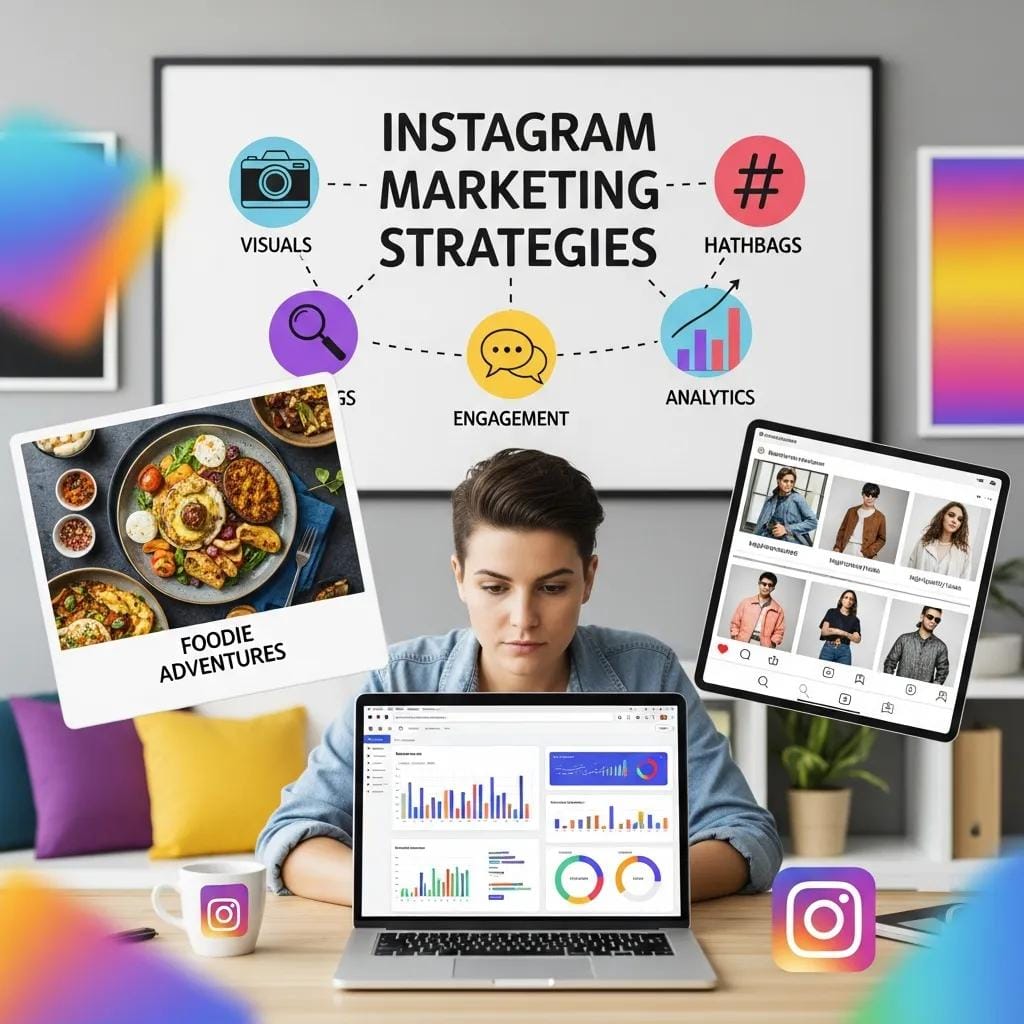
Successful Instagram marketing strategies are founded on three critical pillars: distinctive creative content, consistent publishing schedules, and proactive audience engagement. Prioritize high-quality, visually appealing content and maintain a dependable posting rhythm to set clear expectations for your audience. Utilize Instagram’s interactive features — including Stories, polls, and Reels — to foster participation and deepen engagement. Additionally, leverage Instagram analytics and insights to monitor performance, enabling you to replicate successful tactics and refine less effective ones for ongoing optimization.
Facebook Page Optimization as a Catalyst for Small Business Growth
Optimizing your Facebook business page is instrumental in establishing credibility and enhancing discoverability, particularly for small businesses and local brands. A comprehensive and regularly updated Facebook page featuring accurate contact information, succinct business descriptions, and timely posts encourages customer interaction and builds trust. Over time, this trust translates into repeat visits, improved conversion rates, and increased revenue.
Best Practices for Social Media Content Calendars and Scheduling
Implementing a social media content calendar is vital for maintaining a consistent and strategic online presence. Plan content themes in advance, balance promotional material with value-driven posts, and employ social media scheduling tools to streamline execution. This foresight allows you to respond effectively to trending topics and audience feedback without last-minute pressure, thereby enhancing the overall effectiveness of your social media marketing efforts.
Creating and Managing a Social Media Content Calendar for Instagram and Facebook
Begin by establishing weekly or monthly content themes that align with your brand priorities and marketing objectives. Allocate dedicated time for content creation and batch-schedule posts to ensure a steady and reliable posting cadence. Utilize engagement metrics and social media analytics to fine-tune topics and posting schedules, allowing your calendar to evolve in response to audience preferences and maximize reach.
Tools to Enhance Content Scheduling and Audience Engagement
Robust social media management platforms such as Hootsuite, Buffer, and Sprout Social facilitate efficient content scheduling, highlight engagement trends, and consolidate analytics. These tools enable consistent publishing, prompt responses to audience interactions, and identification of high-performing posts — empowering your marketing team to focus more on creative development and less on managing multiple platforms.
Effective Management of Social Media Advertising and Audience Targeting
Successful social media advertising hinges on precise audience targeting, well-defined campaign objectives, and continuous testing. By clearly defining your audiences and goals from the outset, you can allocate your advertising budget efficiently, scaling campaigns that deliver the highest return on investment (ROI).
Top Techniques for Social Media Advertising Management on Instagram and Facebook

Commence with detailed audience segmentation and clearly articulated campaign objectives. Experiment with a variety of ad formats — including single-image ads, carousel ads, and video ads — to determine which creatives generate the most engagement and conversions. Employ intelligent bidding strategies and establish measurable key performance indicators (KPIs) to monitor ad expenditure and reallocate budget toward the most effective ads, thereby maximizing ROI.
Optimizing Audience Targeting to Enhance ROI
Utilize platform analytics and Facebook Audience Insights to develop comprehensive audience profiles, then conduct A/B testing across different creatives and targeting parameters. Use these insights to refine lookalike audiences or interest-based targeting, ensuring your ads reach individuals most likely to convert. Continuously assess and adjust targeting based on performance data to improve ad efficiency and effectiveness.
Measuring Analytics and Performance for Instagram and Facebook Management
Measurement transforms social media activities into actionable insights. Track relevant social media metrics aligned with your objectives, compare performance across channels, and apply these insights to inform content creation, advertising spend, and posting schedules for improved marketing outcomes.
Essential Metrics for Tracking Social Media Success
Concentrate on engagement rate, reach, impressions, click-through rates, and conversion metrics that correspond with your business goals, such as lead generation or sales. Collectively, these metrics reveal how well your content resonates with your audience, the extent of its visibility, and its effectiveness in driving meaningful actions.
Leveraging Cross-Platform Analytics Tools for Informed Decision-Making
Cross-platform analytics solutions — including Google Analytics, Facebook Insights, and Instagram Insights — provide a holistic view by connecting social media activity with website behavior. This integrated perspective identifies which social campaigns drive website traffic, which channels yield the highest conversions, and where to allocate marketing resources for optimal business results.
Enhancing Social Media Management Through Integration with Web Development and Business Consulting
When social media strategy, website functionality, and business planning are aligned, all marketing channels perform more effectively. This integration ensures social media campaigns direct traffic to optimized landing pages and generate measurable business outcomes, thereby improving overall digital marketing ROI.
Advantages of Combining Social Media Management with Web Development Services
Integrating social media marketing with web development facilitates seamless customer journeys: campaigns channel traffic to well-designed web pages that convert visitors into customers. This synergy enhances key performance indicators such as session quality, time on site, and conversion rates, while minimizing friction between marketing initiatives and product experiences.
How Business Consulting Elevates Instagram and Facebook Marketing Results
Business consulting provides strategic guidance — assisting in setting realistic social media goals, selecting appropriate KPIs, and establishing repeatable marketing processes. Consultants can also advise on technology integrations and measurement frameworks that scale social media efforts and align them directly with your business objectives.
The Role of Community Support and Social Responsibility Initiatives in Social Media Management
Community engagement and social responsibility initiatives foster deeper brand trust and create meaningful interactions beyond transactional relationships. When executed authentically, these efforts strengthen long-term audience connections and enhance brand reputation across social media platforms.
Incorporating Social Responsibility into Instagram and Facebook Campaigns
Select causes that resonate with your brand values and audience interests, then design social media campaigns that encourage participation — ranging from fundraising efforts to awareness-raising posts. Monitor engagement and impact metrics to demonstrate tangible outcomes and inform the refinement of future social responsibility initiatives.
Examples of Successful Community Support Programs on Social Media
Effective examples include local charity drives, sustainability initiatives, and educational partnerships. Brands collaborating with nonprofits to raise awareness or funds often experience increased community loyalty and positive public perception, particularly when their efforts are transparent and focused on measurable results.
Frequently Asked Questions
What are the benefits of using Instagram and Facebook for business growth?
Instagram and Facebook enable businesses to enhance online visibility, cultivate engaged communities, and reach targeted audiences through both paid and organic content. Features such as Stories, live video, and interactive posts facilitate authentic connections, while platform analytics support informed marketing decisions and campaign optimization.
How can businesses effectively engage with their audience on social media?
Develop social media content that encourages interaction — including polls, quizzes, and user-generated posts — and respond promptly to comments and messages. Consistent, relatable content combined with active listening builds trust and promotes ongoing engagement from your followers.
What role does visual content play in social media marketing?
Visual content captures attention and conveys messages efficiently. High-quality images, concise videos, and cohesive graphics enhance engagement and reinforce your marketing message. Consistent application of brand colors and styles ensures your social media presence remains recognizable and professional.
How can businesses measure the success of their social media campaigns?
Monitor KPIs aligned with your marketing objectives: engagement and reach for brand awareness, click-through rates for website traffic, and conversion rates for sales or lead generation. Utilize tools such as Google Analytics and platform-specific insights to evaluate social media performance and guide subsequent strategies.
What are some common mistakes to avoid in social media management?
Avoid inconsistent posting, neglecting audience feedback, and launching campaigns without analyzing performance data. Refrain from excessive self-promotion — prioritize delivering value. Tailor content to the unique strengths of each platform and continuously test to maintain effectiveness in your social media marketing.
How can businesses stay updated on social media trends and changes?
Stay informed by following industry blogs, subscribing to digital marketing newsletters, attending webinars, and engaging with professional social media communities. Additionally, monitor official platform updates to adapt promptly to new features and algorithm changes.