

Comprehensive Hospitality-Focused Coaching & Consulting to Help Restaurants and Hotels Thrive
In today’s competitive hospitality market, focused coaching and consulting turn operational friction into reliable performance and memorable guest stays. This guide breaks down hospitality‑specific coaching and consulting tailored for restaurants and hotels, showing practical ways these services boost operations, sharpen staff training, and improve business results. We address common pain points and offer actionable strategies—from coaching front‑line teams to integrating digital tools, strengthening community ties, and preparing for key trends through 2026 and beyond.
How Does Hospitality Coaching Improve Restaurant Operations and Performance?
Hospitality coaching gives restaurants structured, practical guidance that aligns teams and clarifies decision making. When roles and priorities are clear, staff execute consistently and managers can implement focused action plans. The net effect: smoother service, fewer costly mistakes, and better guest satisfaction driven by operational efficiency.
What Are Key Strategies for Restaurant Operations Improvement?
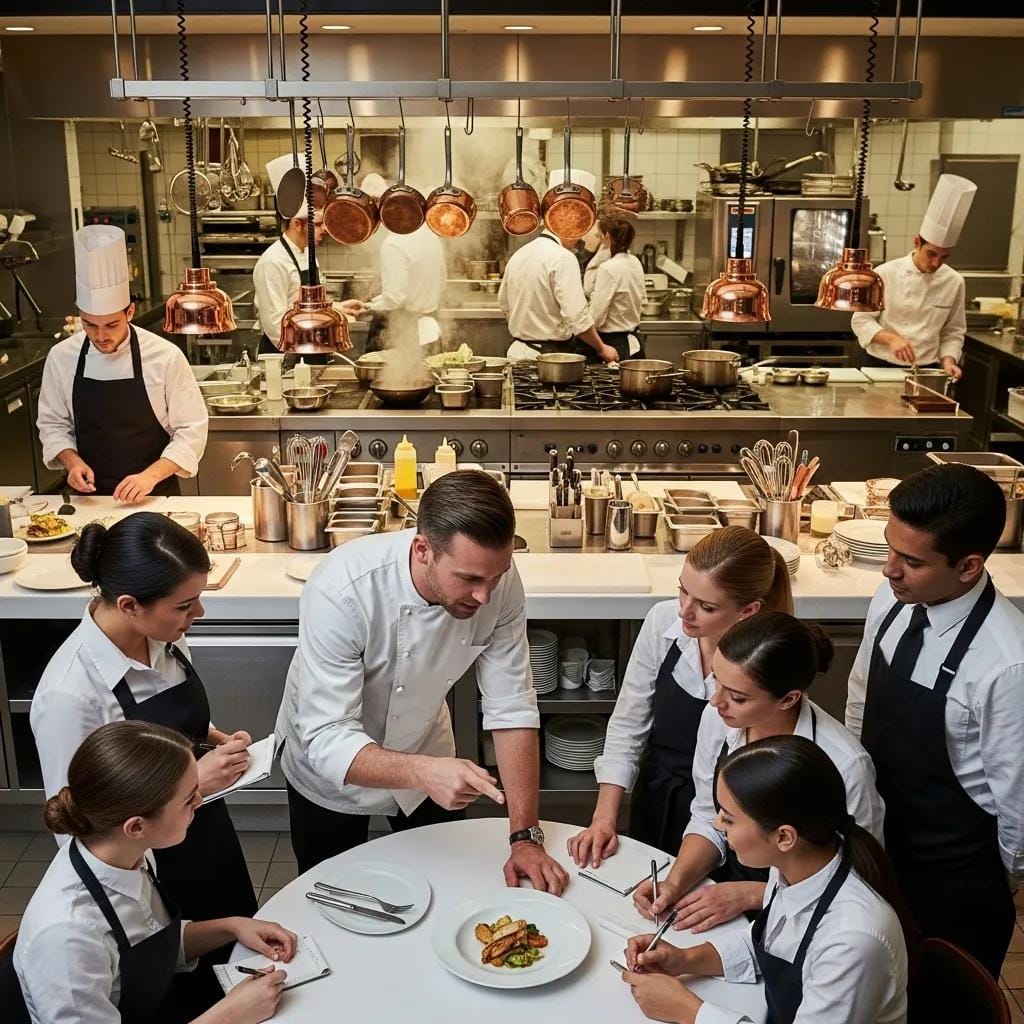
Improving restaurant operations often starts with a few targeted actions:
- Operational Clarity: Define roles, shift responsibilities, and simple SOPs so everyone knows what success looks like each shift.
- Sustainable Marketing Systems: Build repeatable marketing routines that speak to your guests and encourage return visits.
- Financial Understanding: Give staff straightforward financial metrics so teams can spot waste and protect margins.
Together these steps reduce friction, lift consistency, and support a healthier bottom line.
How Does Coaching Enhance Restaurant Staff Training Programs?
Coaching turns training into continuous, goal‑driven development. By linking skills training to daily operations, coaches make learning practical and measurable. That creates a culture where employees reflect on performance, practice new techniques, and grow confident in delivering the guest experience you want—shift after shift.
What Are the Benefits of Hotel Management Consulting Services?
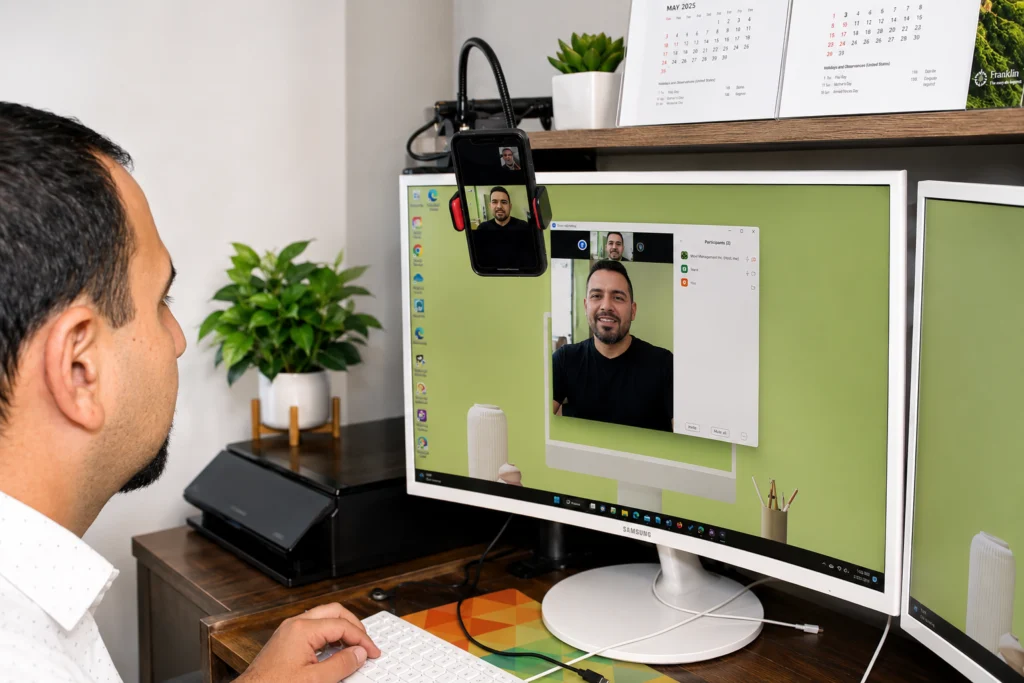
Hotel management consulting brings outside expertise to clarify operations, remove bottlenecks, and free owners to focus on growth. Consultants tailor solutions to each property’s needs—helping to standardize processes, improve team performance, and deliver more consistent guest experiences that save time and raise revenue.
How Does Consulting Optimize Hotel Staff Training and Guest Experience?
Consulting pinpoints workflow gaps and redesigns responsibilities so teams can serve guests more reliably. Clear role definitions and streamlined procedures increase accountability and morale, which translates directly to smoother service and better guest feedback—fueling repeat stays and positive reviews.
Which Hotel Management Practices Drive Business Growth?
Practical management habits that consistently drive growth include:
- Streamlining Internal Operations: Cut unnecessary steps and standardize tasks to reduce cost and speed up service.
- Establishing Sustainable Marketing Strategies: Use targeted campaigns and guest‑focused messaging to attract new customers and bring back past guests.
- Providing Clarity on Financial Health: Regular reviews of revenue, costs, and profit drivers help you spot opportunities and prioritize investments.
When applied together, these practices support steady, sustainable growth for hotels.
How Do Digital Solutions Integrate with Hospitality Coaching and Consulting?
Digital tools amplify coaching and consulting by making processes measurable and repeatable. From functional websites to AI chat and analytics, technology can automate routine tasks, surface insights, and help teams focus on guest interactions rather than paperwork.
What Role Does Web Development Play in Hospitality Business Success?
A well-built website increases visibility and converts visitors into guests by delivering clear information, easy booking flows, and a brand experience that matches what you offer on property. Strong SEO and intuitive design bring more qualified traffic and reduce friction in the booking journey.
How Can Technology Enhance Guest Personalization and Operational Efficiency?
Technology enables tailored guest experiences and smoother operations. AI and data tools let you recommend amenities and services based on preference, while automation handles routine tasks—freeing staff to focus on personal service. The result is both higher efficiency and a more memorable guest stay.
Why Is Community Support Important in Hospitality Coaching and Consulting?
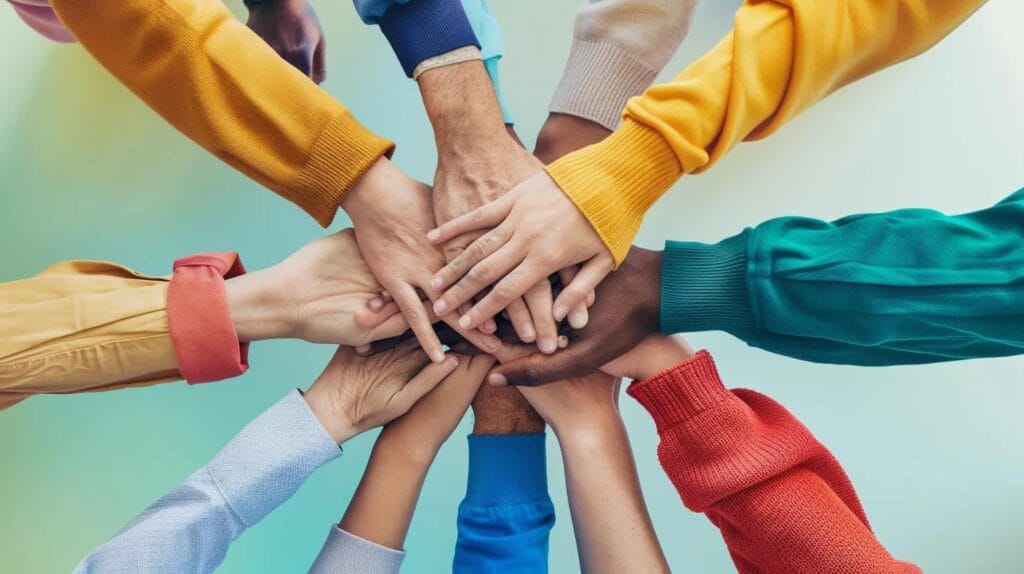
Community support anchors hospitality businesses in local networks that share resources, talent, and customers. Strong community ties build trust, create referral channels, and open opportunities for joint promotions and shared learning that benefit everyone involved.
How Do Community Initiatives Strengthen Hospitality Businesses?
Community initiatives encourage collaboration over competition. By pooling resources—training, cross‑promotion, or shared events—local businesses increase visibility and resilience, creating a healthier ecosystem that draws more visitors and supports steady revenue.
What Are Examples of Successful Hospitality Community Support Programs?
Effective community programs often include:
- Local Business Collaborations: Co‑promotions and bundled offers that highlight nearby dining, lodging, and experiences.
- Training Workshops: Group training that raises the skill level across multiple businesses at lower cost.
- Community Events: Local festivals and markets that attract residents and visitors, boosting foot traffic for everyone.
These efforts not only help individual businesses but also strengthen the local economy and visitor appeal.
What Are Industry Trends and Best Practices in Hospitality Coaching for 2026 and Beyond?
Keeping pace with industry trends is essential. In 2026 and beyond, successful hospitality operations blend sustainability, people development, and tech adoption—creating resilient businesses that guests trust and teams are proud to work for.
How Is Sustainability Integrated into Hospitality Operations and Consulting?
Sustainability shows up as practical changes—waste reduction, energy efficiency, and responsible sourcing—that lower costs and meet guest expectations. Consulting helps prioritize initiatives that deliver measurable savings and brand value without compromising service.
What Leadership Development Approaches Are Effective in Hospitality?
Strong leadership programs combine mentorship, hands‑on coaching, and soft‑skill training—communication, emotional intelligence, and conflict resolution. Preparing experienced leaders to coach emerging talent creates a reliable pipeline of capable managers who sustain service quality over time.
Frequently Asked Questions
What types of coaching services are available for hospitality businesses?
Most hospitality coaching programs include operational coaching, staff training, and leadership development. Operational coaching focuses on process, consistency, and efficiency. Staff training builds service skills and role‑specific competence. Leadership development prepares managers to lead teams, make strategic decisions, and coach others. Programs are typically customized to fit a restaurant’s or hotel’s size, market, and objectives.
How can hospitality businesses measure the success of coaching and consulting efforts?
Success is tracked through clear KPIs: guest satisfaction and review scores, employee retention, speed and accuracy of service, and financial indicators like revenue per available room (RevPAR) or average check. Regular staff feedback and before‑and‑after performance reviews also show where coaching raises capability and impact.
What role does employee engagement play in hospitality coaching?
Employee engagement is central—engaged staff provide better service, stay longer, and are likelier to adopt new practices. Coaching that recognizes contributions, encourages open communication, and offers growth paths boosts morale and performance. Investing in engagement pays off through higher guest satisfaction and lower turnover.
How can hospitality businesses stay updated on industry trends?
Stay current by subscribing to industry publications, joining professional associations, and attending conferences or webinars. Networking with peers and following industry thought leaders online also surfaces new ideas. Regularly testing innovations on a small scale helps you adapt quickly without disrupting operations.
What are the benefits of integrating technology into hospitality coaching?
Technology speeds learning, provides measurable feedback, and scales coaching across locations. Online training modules, performance dashboards, and guest feedback tools let coaches target gaps and track improvement. Used well, tech makes coaching more efficient and data‑driven while preserving the human touch where it matters most.
How can hospitality businesses foster a culture of continuous improvement?
Encourage open feedback, schedule regular training, and make small experiments a habit. Leaders should model learning by recognizing improvements and rewarding initiative. Simple routines—post‑shift debriefs, monthly skill workshops, and transparent performance reviews—create momentum that keeps teams improving over time.